
- Sleek Protection
Paint Protection Film Installs Near Charlotte, NC
- Keep Your Finish Flawless
Fort Mill, SC’s No. One Choice for Flawless PPF Installation
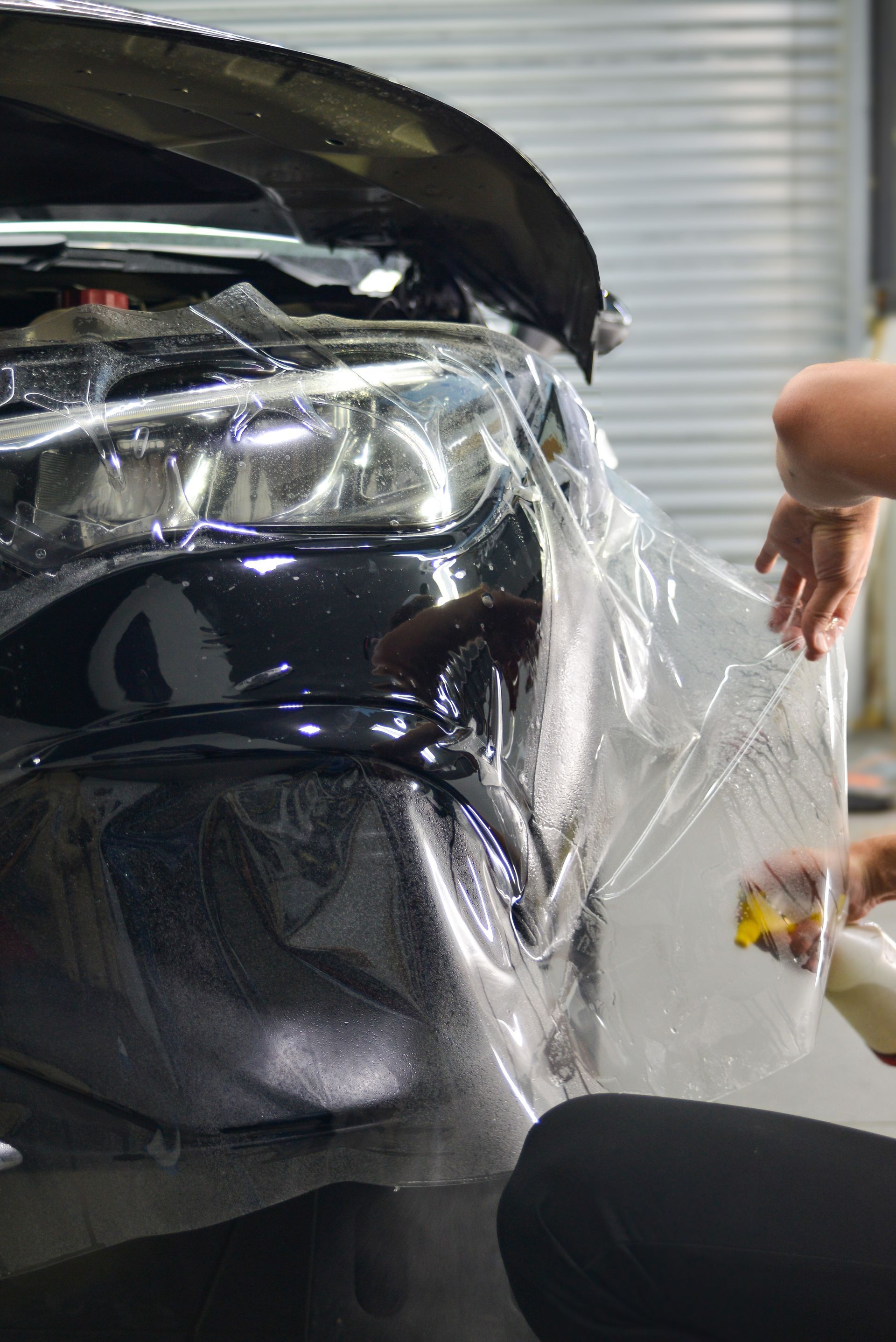
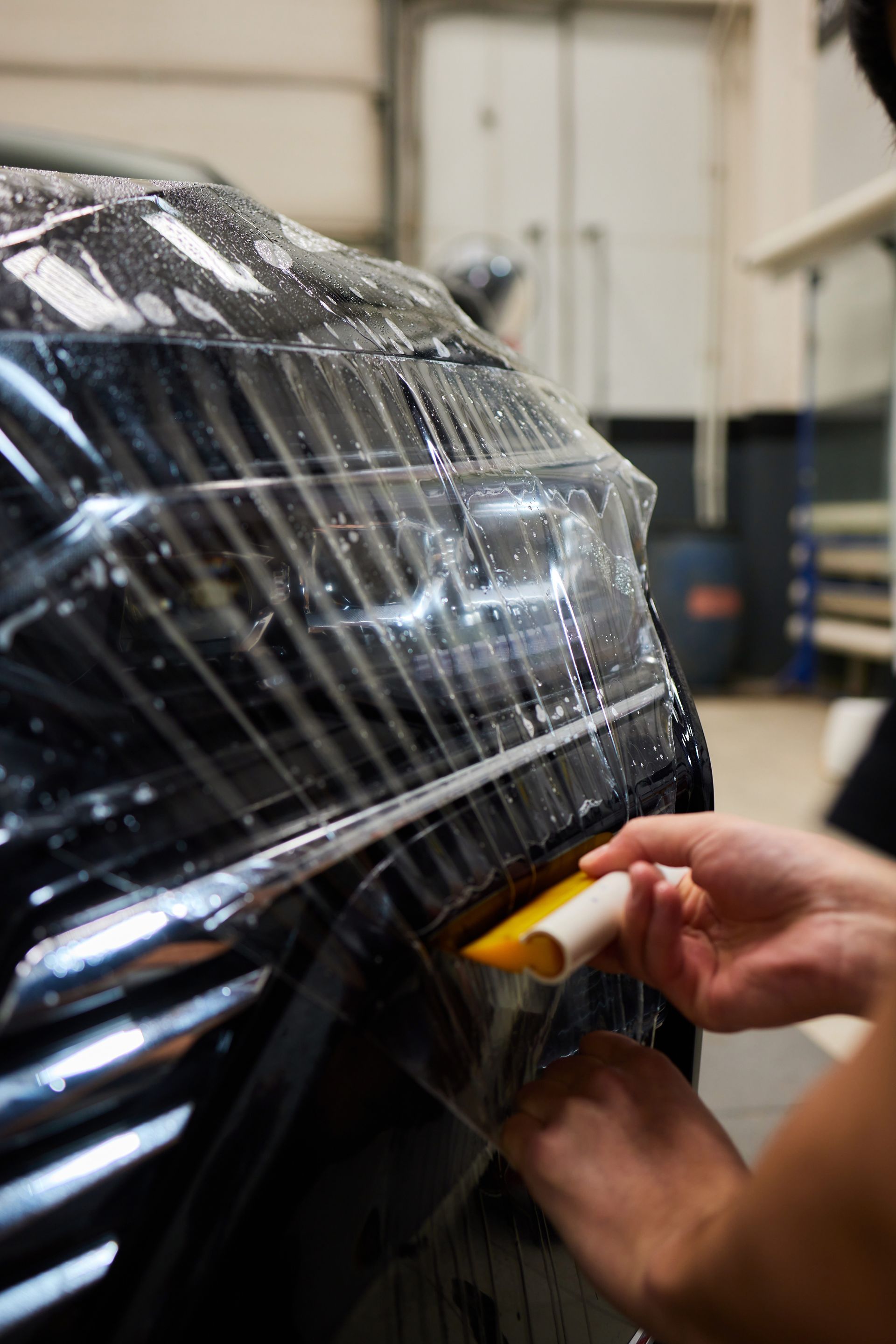
If you’ve ever heard a rock ping off your hood and immediately thought, “Yep, that one left a mark,” you already get why Paint Protection Film (PPF) is worth it. WetWorx installs paint protection film as a nearly invisible shield on the areas that take the most abuse, like the front bumper, hood, fenders, mirrors, and door edges.
It’s built to take the hit from road debris, bug splatter, and everyday wear, so your actual paint doesn’t have to. The best part is you don’t have to baby your car to keep it looking sharp. You just drive it, wash it, and enjoy the peace of mind that comes from knowing the front end is protected. Around Fort Mill, SC, PPF is the smartest way to keep a clean finish clean.
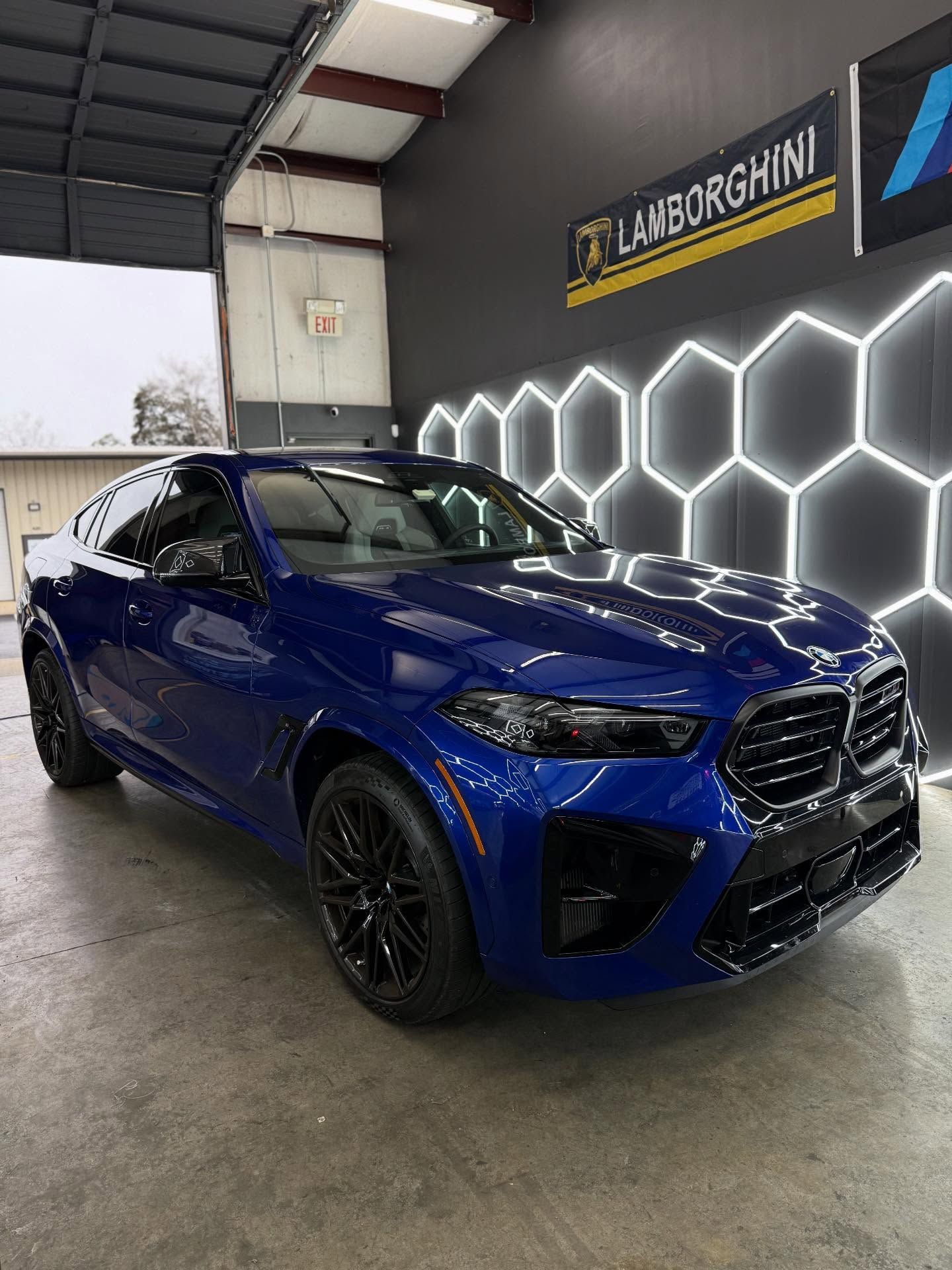

WetWorx Paint Protection Film Packages
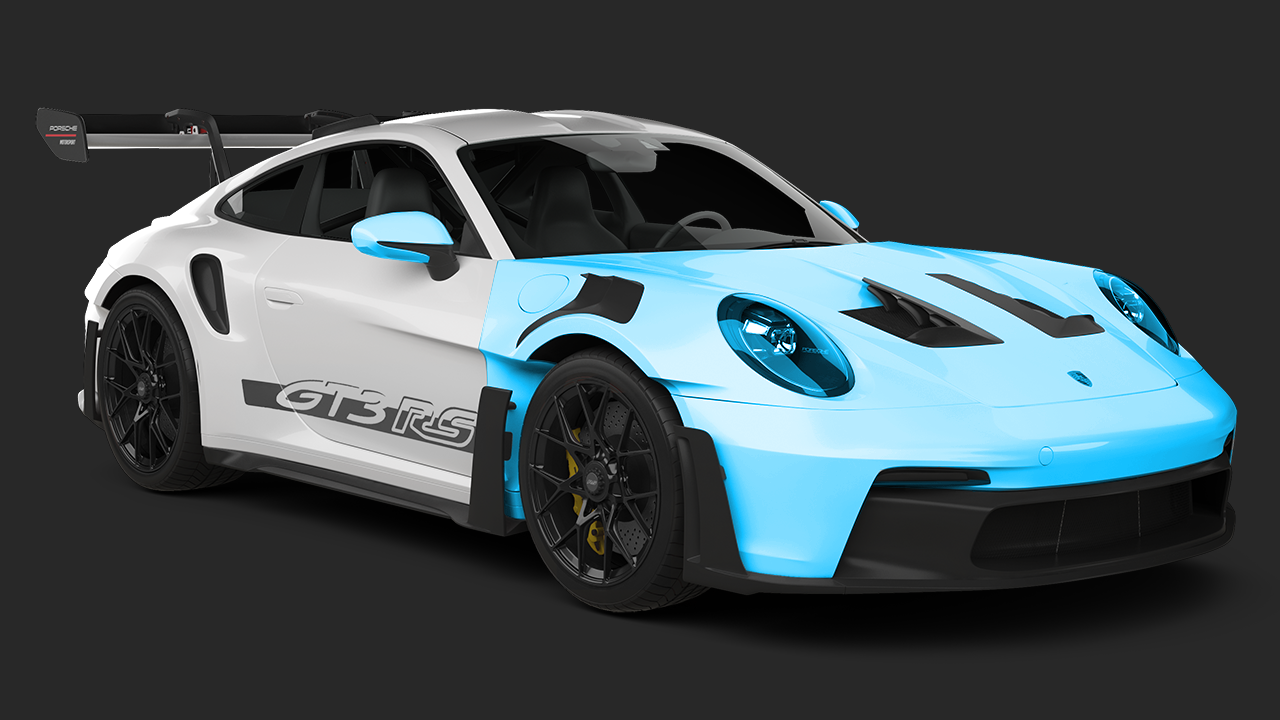
Full Front PPF
Price Starts At $2,200
Turnaround Three Days
This Package Includes:
- Front bumper
- Full hood
- Mirrors
- Full front fenders
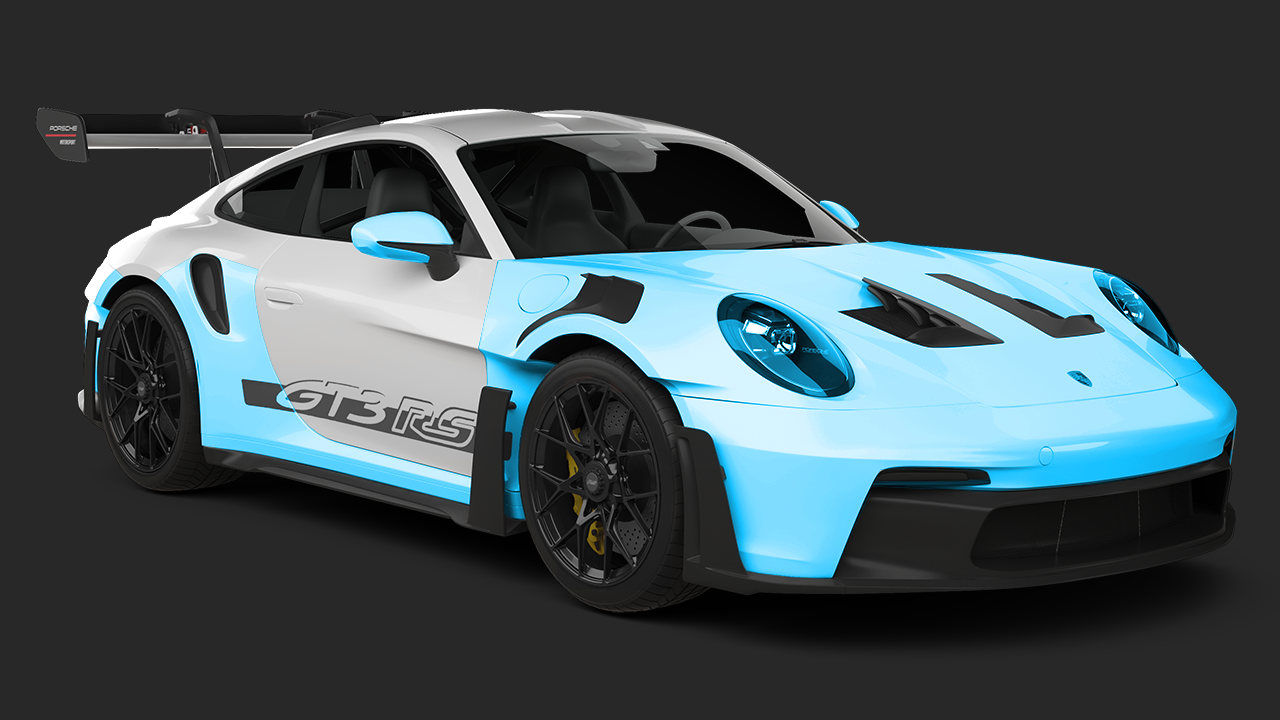
Track Pack PPF
Price Starts At $2,600
Turnaround Three Days
This Package Includes:
- Front bumper
- Full hood
- Mirrors
- Full front fenders
- Rocker panels
- Headlights
- Fog lights
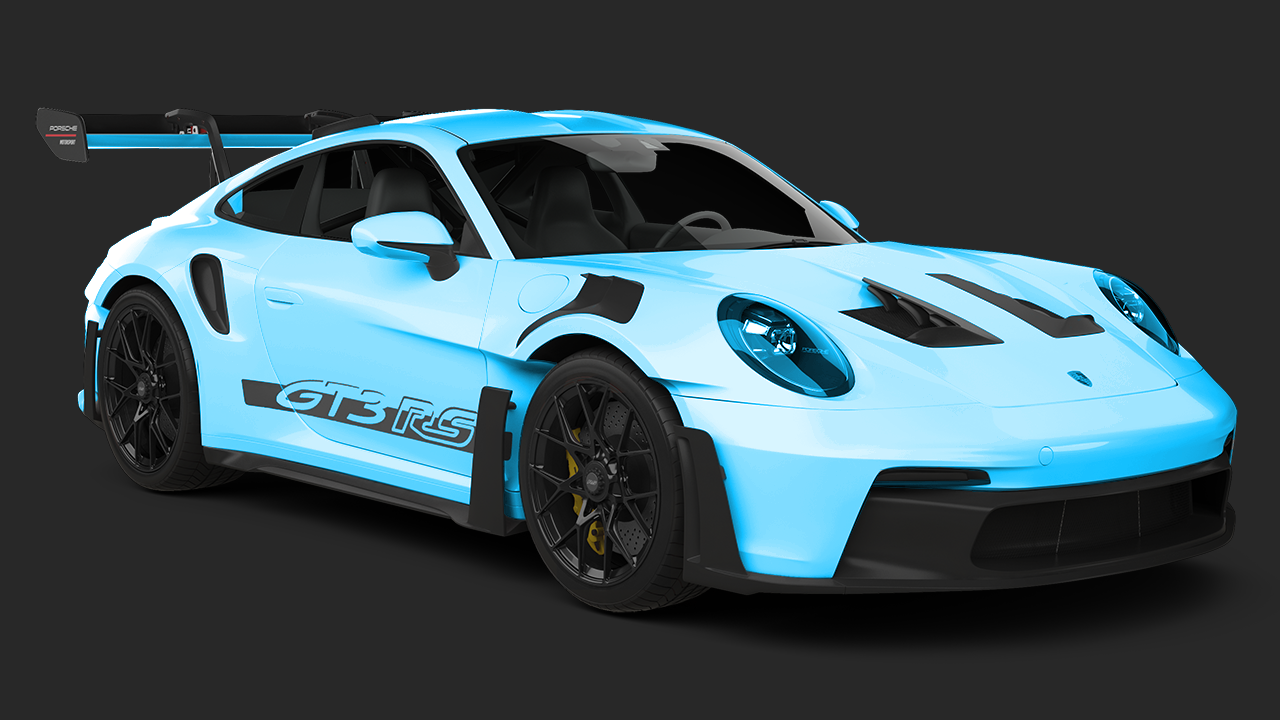
Full Coverage PPF
Price Starts At $5,500
Turnaround One Week
Our full coverage PPF package wraps the entire vehicle in a nearly invisible layer of protection, so your paint is guarded from rock chips, road rash, and everyday wear from every angle. It’s the top-tier choice for drivers who want maximum peace of mind and a finish that stays looking new longer.
Add-On Service
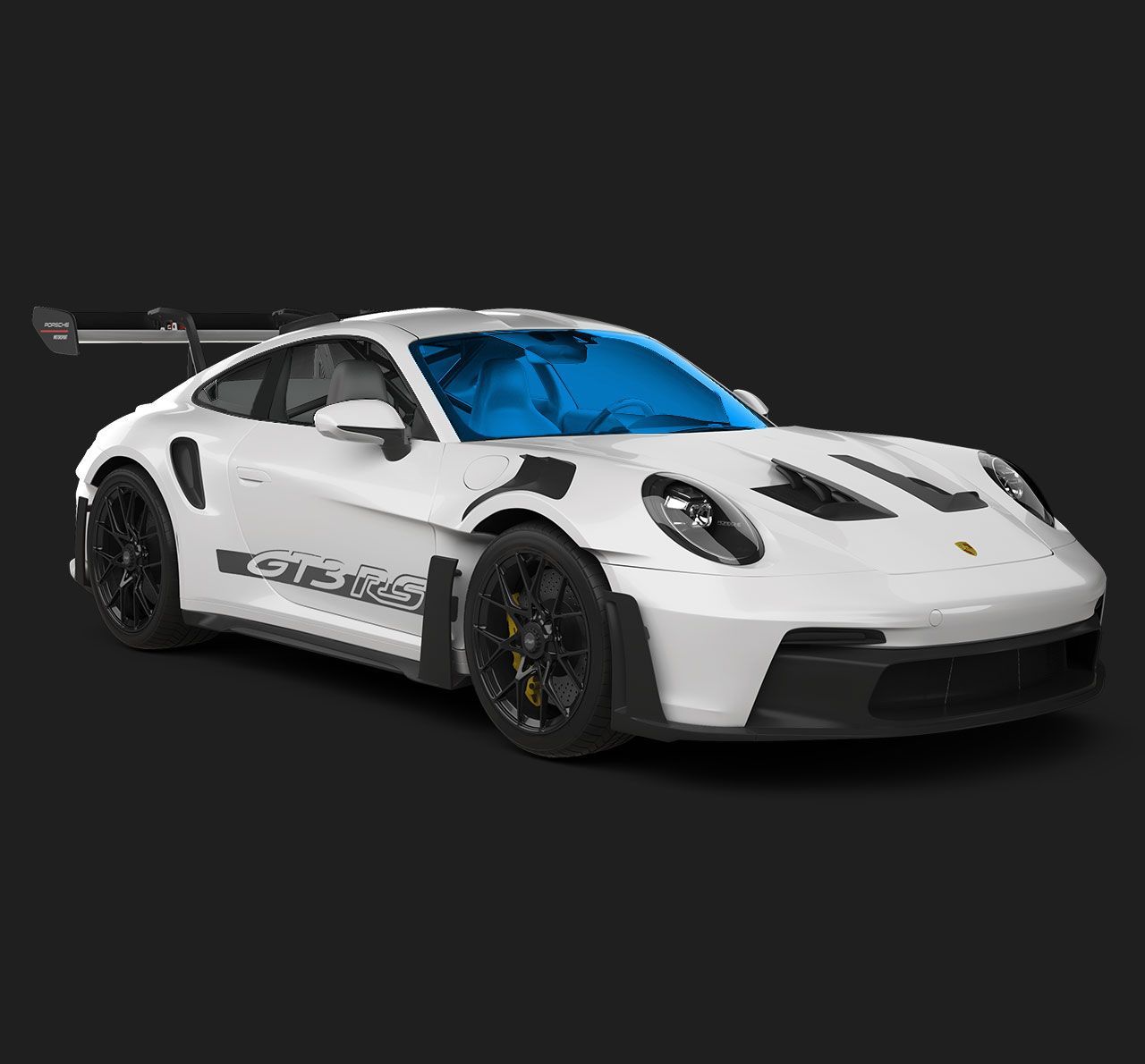
Windshield Protection Film
Price Starts At $199
Our windshield protection film helps defend your glass from rock chips, sand pitting, and everyday road debris that can turn into expensive cracks. It’s a clear, nearly invisible layer that keeps your view sharp and helps your windshield last longer.
Discover the Science Behind Self-Healing PPF
It’s a Smart Film with a “Memory”
Self-healing PPF isn’t magic, but it’s pretty close when you see it in action. The top layer of the film is engineered to be elastic, which means it can flex and bounce back after minor surface scratches. Instead of staying scarred up like bare clear coat, the film wants to return to its original smooth shape. That “memory” is what makes the surface look clean again after everyday brush-ups.
Heat is the Trigger that Makes it Work
Self-healing happens when the film warms up. That can be from the sun, warm water, or gentle heat from normal driving conditions. As the film heats, the top coat softens slightly and the scratch marks relax and level out. Once it cools, it settles back into a smooth finish. It’s like watching a crease disappear from a stretchy material once it’s warmed up and laid flat.
Most Scratches are Surface-Level, and that’s the Sweet Spot
Here’s the key: self-healing is designed for light, superficial marks. Think wash swirls, micro scuffs, and the kind of scratches that make you squint and say, “Where’d that come from?” If something is deep enough to cut through the film, that’s a different story. But for the daily stuff that usually beats up your paint over time, self-healing PPF is built to shrug it off.
The Top Coat Does More than Heal
That outer layer isn’t just there for the healing trick. It’s also designed to resist staining and make cleanup easier, so things like bug guts, bird droppings, and road grime don’t bond as aggressively. Many films also include UV resistance to help keep the underlying paint looking consistent. So you’re not just protecting against chips You’re also making the surface easier to maintain.
The Real Science is What it Saves You From
Without PPF, your clear coat takes the hits. Every wash, every tiny scuff, every little incident adds up, and once paint is damaged, fixing it usually means polishing, repainting, or living with it. Self-healing PPF takes that day-to-day wear on itself, then clears up a lot of the light marks on its own with heat.
Why Professional Install Matters More than the Film Itself
Self-healing tech is awesome, but it only works the way it should if the film is installed correctly. Clean prep, proper alignment, tight edges, and the right techniques keep the film looking nearly invisible and performing long-term. A sloppy install can lead to lift lines, trapped debris, and edges that collect grime, and none of that is the vibe. Done right, it looks clean, stays put, and keeps healing when life happens.
Answering Most Asked PPF FAQs
What does PPF protect against in real life?
PPF is built to take the daily hits your paint shouldn’t have to. It helps protect against rock chips, road rash, bug splatter, light scuffs, and the kind of wear you get from highway driving and parking lots. It’s basically a clear shield for your paint, so you can drive normally without stressing over every piece of debris that comes flying at the front end.
Where should I put PPF on my vehicle?
The most popular spots are the front bumper, hood, front fenders, mirrors, headlights, door edges, and rocker panels because those areas take the most abuse. Some drivers go partial coverage on the front end, and others go full coverage for maximum protection. We’ll help you choose based on how you drive, where you park, and how picky you are about keeping the paint looking perfect.
Does PPF show, or will it change how my paint looks?
Good PPF is designed to be nearly invisible once it’s installed correctly. It shouldn’t change your paint color, and it actually tends to make the finish look cleaner and more uniform because it adds a smooth layer over the surface. You might notice edges up close on certain panels, but the whole goal of professional PPF install is a clean look that blends in, not something that screams “I put a film on my car.”
How long does PPF last, and how do I maintain it?
PPF is made to last for years, but longevity depends on film quality, how the vehicle is stored, and how it’s maintained. Keeping it clean with proper washing habits goes a long way, and avoiding automatic brush washes helps prevent unnecessary scuffing. If you treat it right, PPF will keep protecting your paint and looking good long-term, which is kind of the whole point.
Can PPF be combined with ceramic coating?
Absolutely, and it’s a killer combo. PPF handles the physical protection from chips and impacts, and ceramic coating makes the surface slicker and easier to clean. A lot of people do PPF on the high-impact areas, then coat the rest of the vehicle, or apply coating over the PPF for even easier maintenance. If you want protection and convenience, pairing them together makes a lot of sense.
Do I have to go without a car for this service?
Not at all! We know you need to stay on the move while we work on your vehicle. When you book a paint protection film service, we provide a 2026 Tesla Model Y loaner for you to use. You can simply drop off your car and drive away in a premium, fully electric SUV. Enjoy the smooth ride and top-tier tech of the Tesla while we protect your car. We want to make sure your entire experience with us is easy, convenient, and high-quality from start to finish.